

Not Swords or Magic, but Vending Machines and Crafting Tables
Isekai
Kana
The isekai genre, stories where someone is reincarnated into another world—has become a fixture for manga readers. Reincarnation, cheat abilities, video-game-style rule sets: by now, these conventions carry a certain comfort, the reassurance of a familiar setup.
A lot of what makes the genre interesting comes down to a single decision: under what conditions, and in what form, do you drop your protagonist into the other world? That Time I Got Reincarnated as a Slime became widely known for sending its hero back not as a brave knight or a wizard, but as a slime. Something that looks utterly weak turns out to move the world. That element of surprise is what pulled readers in.
The diversification of “reincarnation targets” didn’t stop there. Eventually protagonists were being sent in not as monsters, but as something that isn’t even alive. A vending machine, specifically.
When the Vending Machine’s Limits Drive the Story
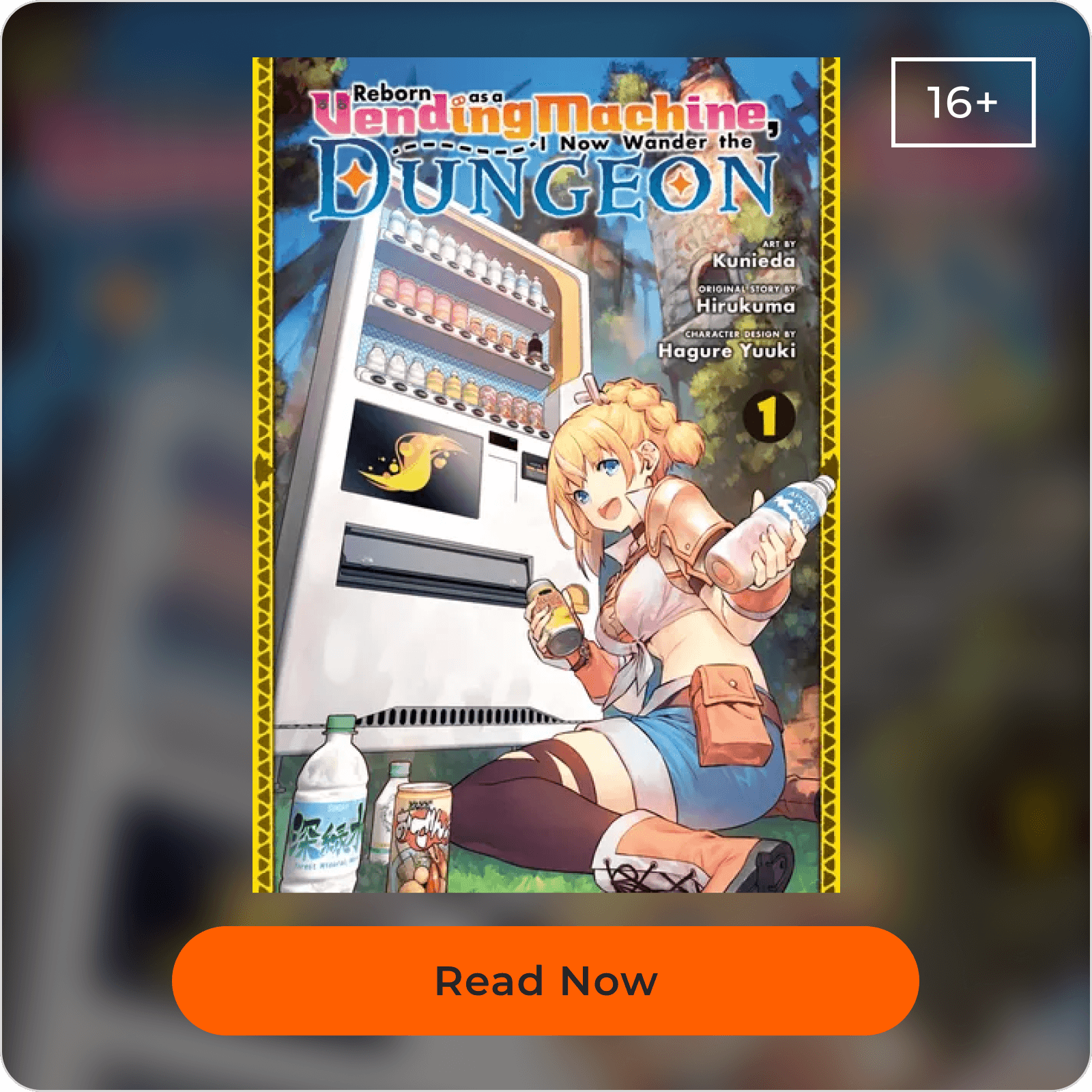
Reborn as a Vending Machine, I Now Wander the Dungeon reads almost like a one-joke premise from the title alone. It’s as if someone answered the improv prompt “Name the worst possible thing to be reincarnated as,” and then built an entire story around the punchline in complete earnest. Not as a person. Not as a Hero. Not even as a wizard. As a vending machine.
It’s a fun concept, but the obvious follow-up question is whether it can actually sustain a narrative. Read as a manga, the result is far more surreal than the premise sounds on paper.
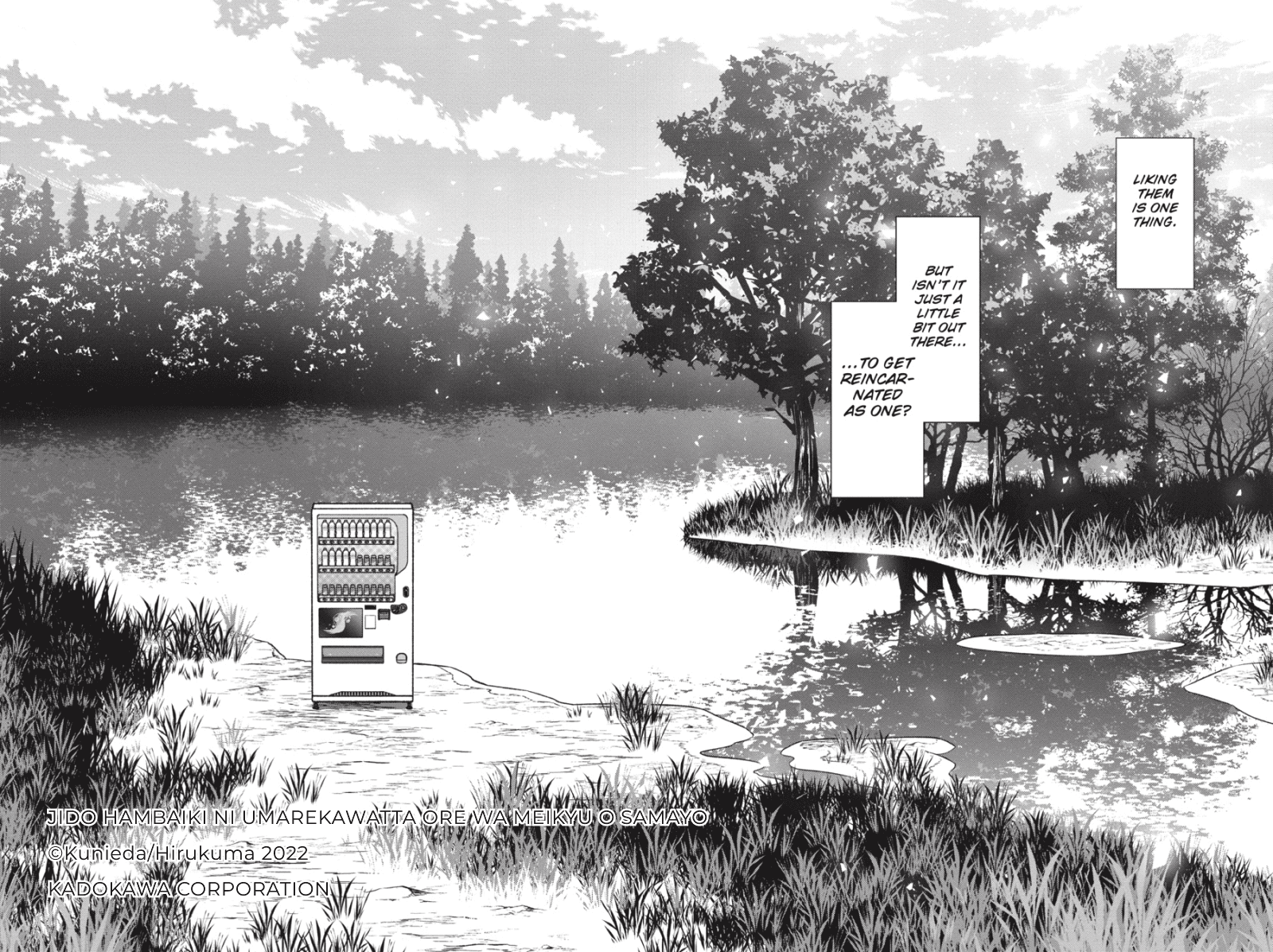
“Isn’t it just a little bit out there?” That’s our line, not his.
Once you get past the initial novelty, the structure of the work comes into view. Can’t move. Can sell products. Can only speak in fixed, preset phrases, the constraints of being a vending machine become the core of the story itself. Elements that should be pure weaknesses get reworked, one by one, into the actual method for clearing the dungeon.
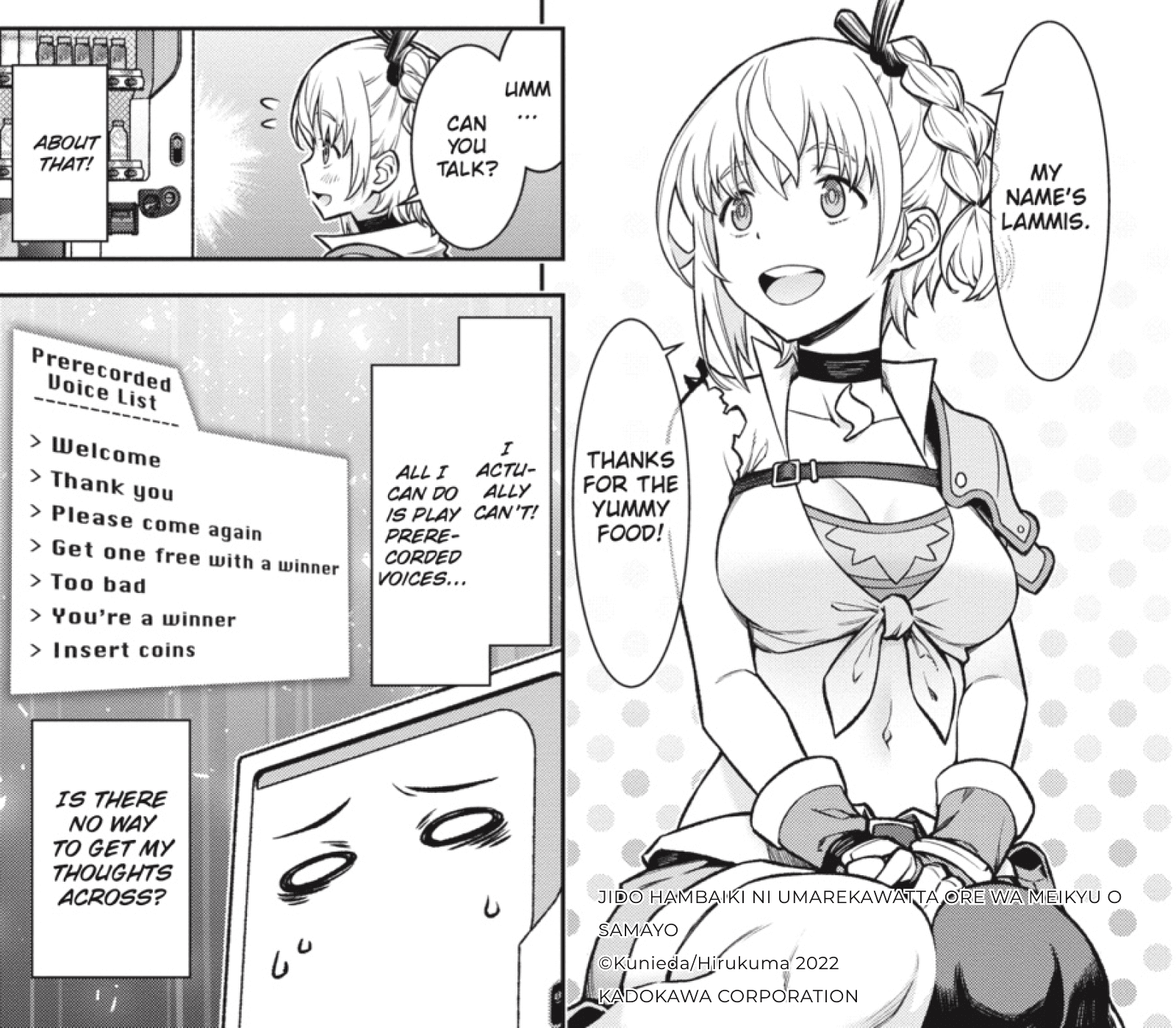
Japanese vending machines talk enough that “the only voice I heard all day was a vending machine” is a plausible sentence.
There’s something here that resembles being dropped into a place where you don’t speak the language. You make do with a small handful of words and somehow get communication to happen. The fun that comes specifically out of working within limits turns out to be fairly universal.
What’s interesting is that the book never lets go of the vending-machine conceit halfway through. The protagonist can’t roam freely or fight the way a person would. But the ordinary, built-in functions of a vending machine become resources that keep him alive in this other world.
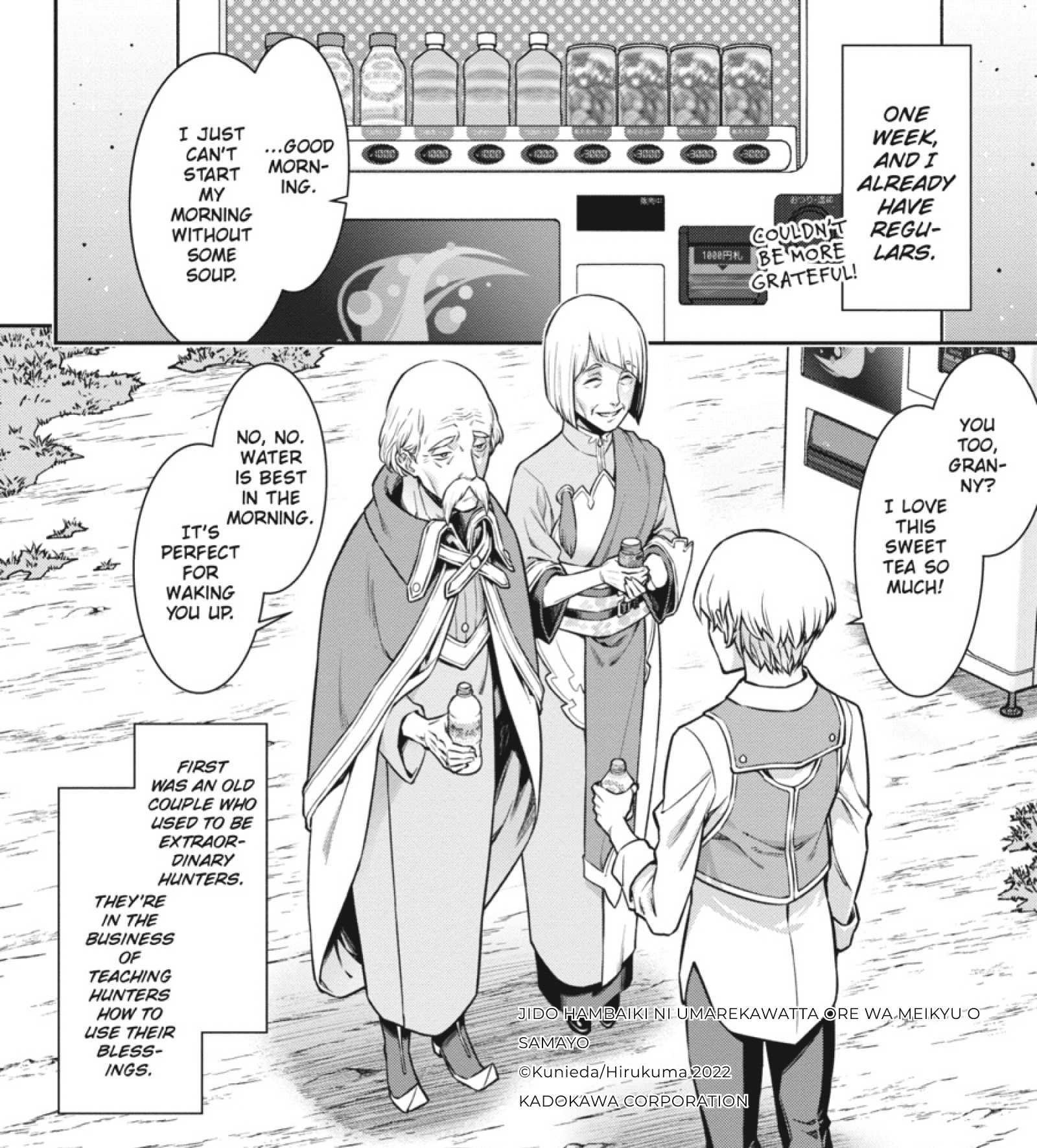
Even canned corn soup from a vending machine becomes a legitimate lifeline in another world.

When Convenience Becomes Value: Isekai Craftsman
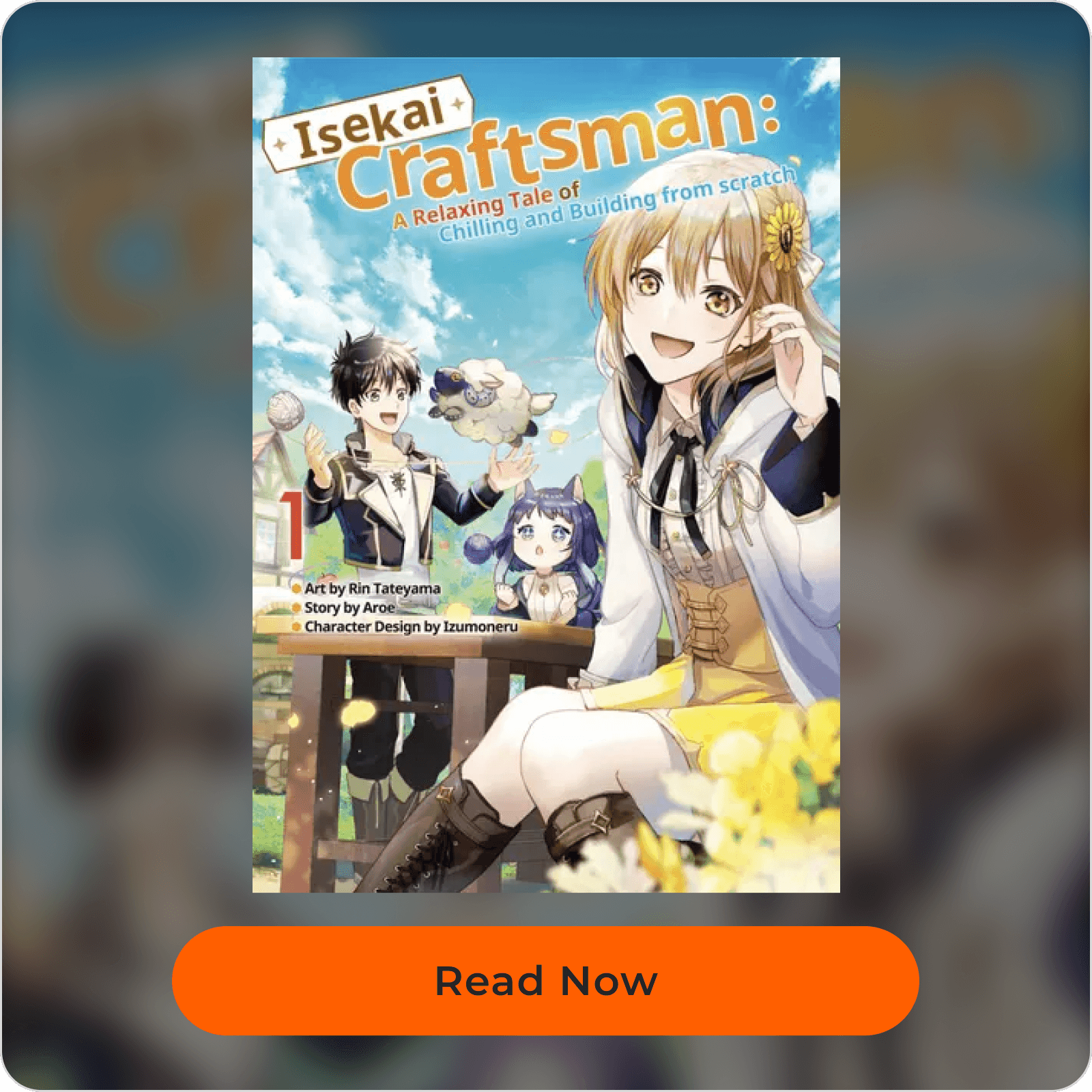
If you’re drawn to that structure where things that are mundane in our world become newly valuable in another, there’s a second title that sits in the same lineage: Isekai Craftsman: A Relaxing Tale of Chilling and Building from scratch.
If the protagonist of Vending Machine is “the convenient thing itself,” the protagonist of Isekai Craftsman is on the side that makes convenient things.
The premise is about carrying the common sense of game-crafting into another world. Rather than defeating enemies and grinding levels, the weight falls on gathering materials, building tools, and setting up a livable life. You could call it an isekai manga tuned toward making things rather than fighting.
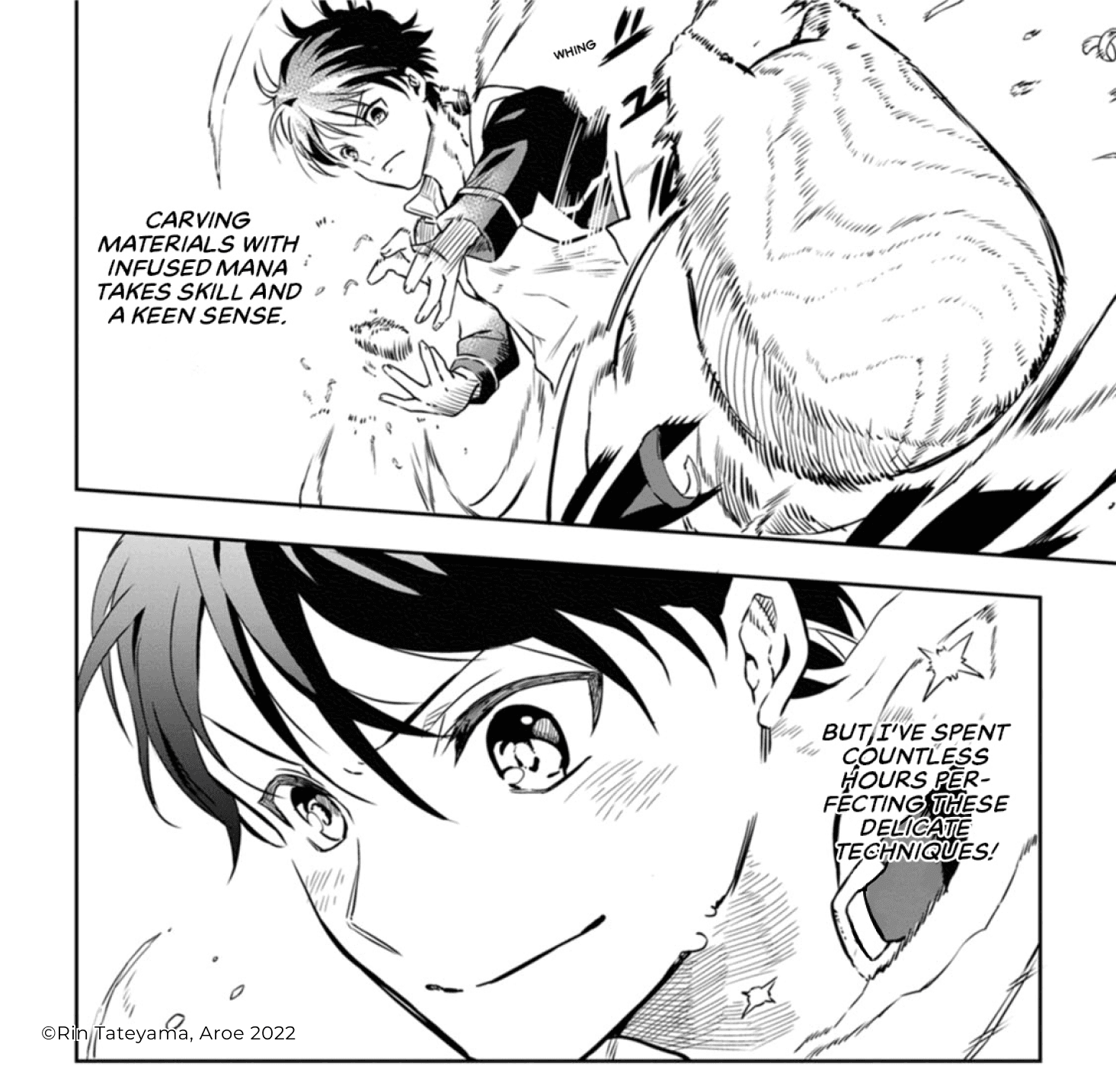
For anyone who’s ever sunk more time into building a base or collecting materials than into the actual main quest, the texture of this one will feel close to home.
A skill that looks trivial at first glance turns into an unconventional solution in another world. That inversion of value is the central mechanism here. Unlike stories about dominating everything with swords and magic, this is about rewriting the environment itself through knowledge and craftsmanship.
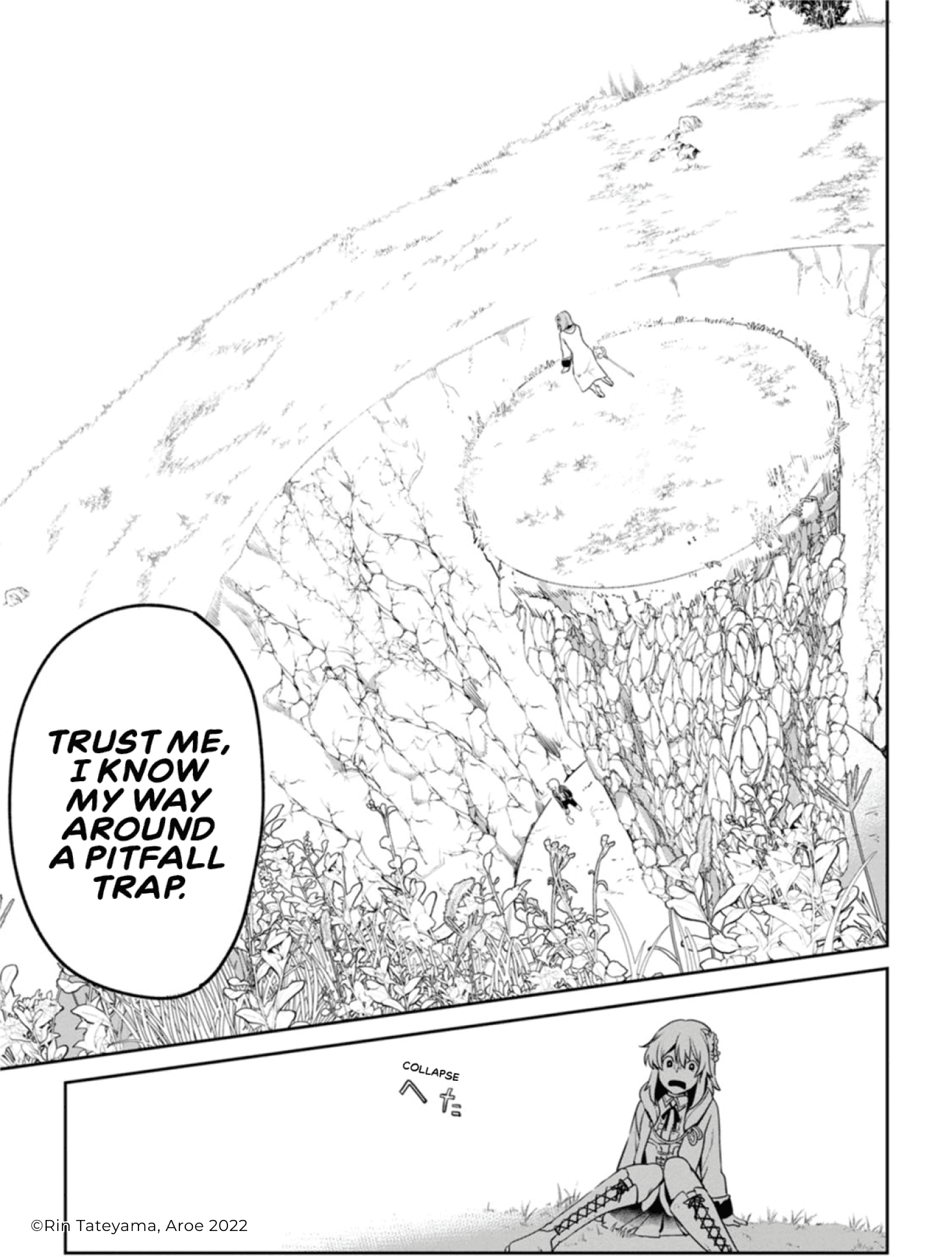
A scene where a pitfall trap takes down prey in an instant—aimed squarely at readers who like problems solved with ingenuity.
The appeal of isekai manga no longer rests solely on getting stronger and beating enemies. Helping people as a vending machine, or changing daily life through crafting, are both their own form of clearing the other world.
From a world you conquer by fighting to a world you sustain by building. For readers who were drawn to a story about supporting others as a vending machine, Isekai Craftsman reshapes daily life from the workbench up and makes for a natural next read.
