
OUT: The Delinquent Manga Where Every Fight Just Makes Things Worse
Action

Kendog
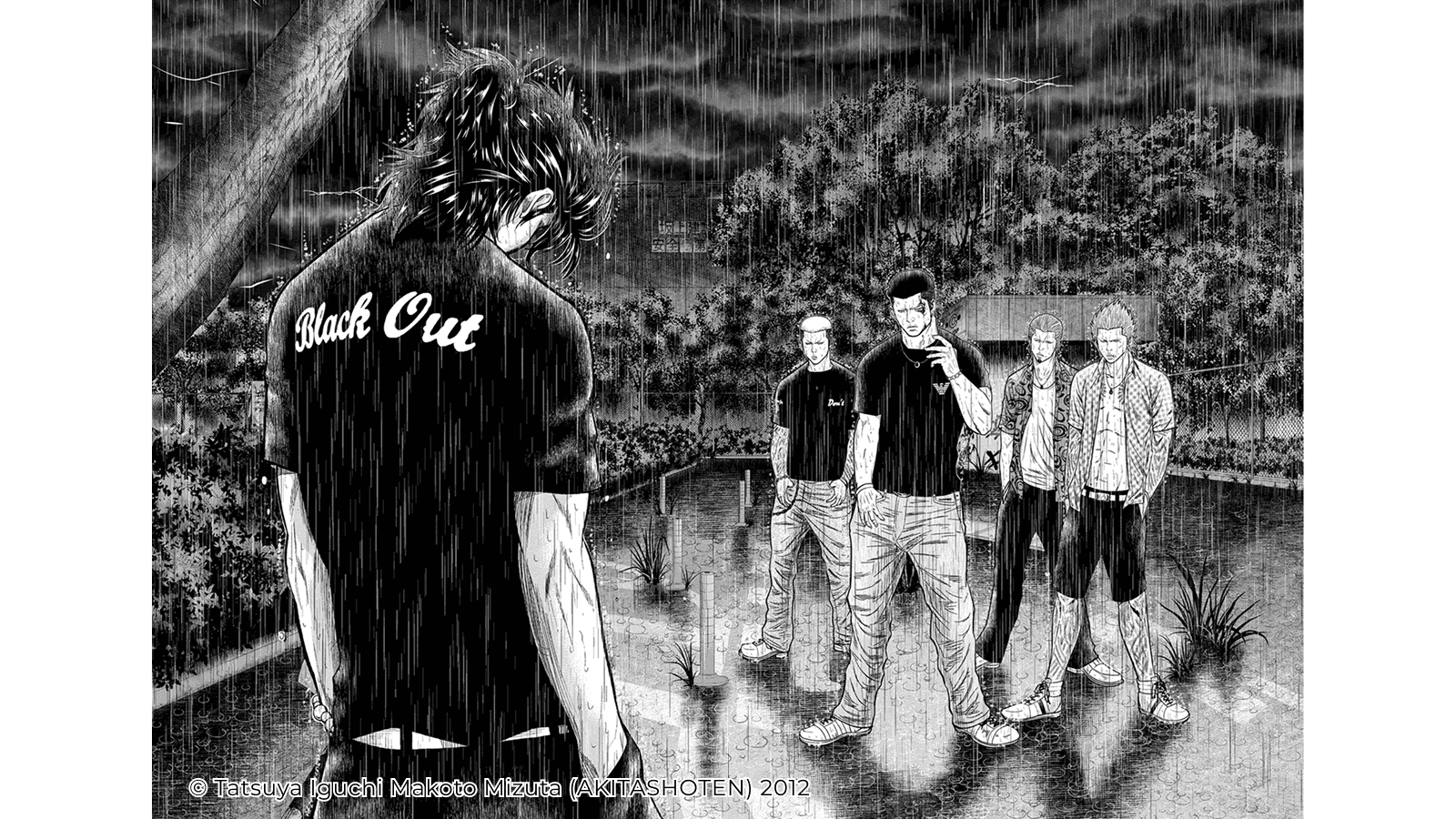
If Tokyo Revengers left you wondering why Japanese delinquents look so impossibly cool, OUT is a natural next stop.
Just know that, while it shares the same yankii lineage, it plays the genre very differently. This isn't one of those stylish coming-of-age stories where fights mostly serve as emotional punctuation. In OUT, violence sits at the center of nearly everything. Conflicts escalate fast, grudges linger, and every thrown punch tends to demand more pages of cleanup than the punch itself.
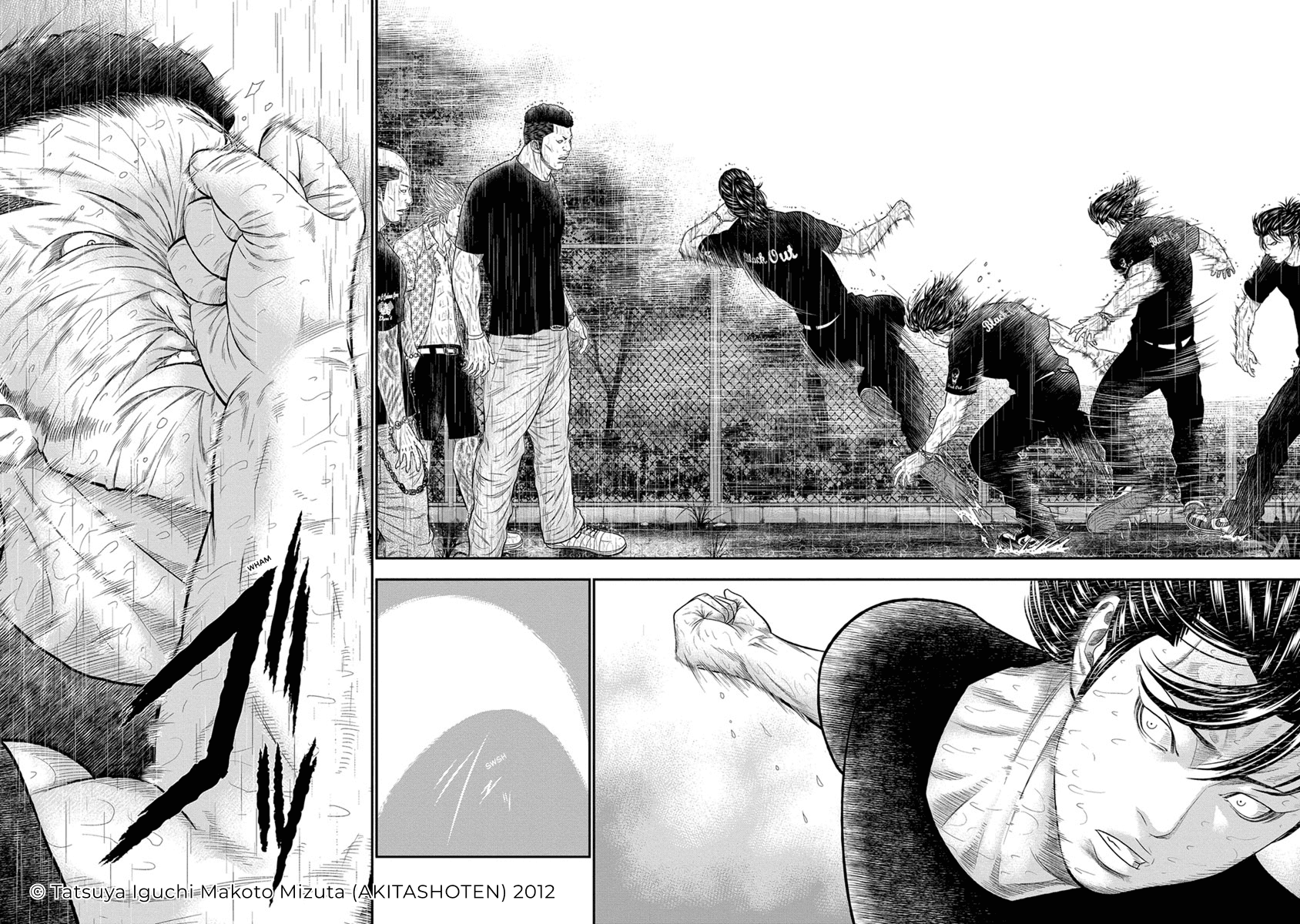
It's a bit like sitting down for The Fast and the Furious and slowly realizing you're now watching Goodfellas.
Japan has a long-running genre called yankii manga. It's not just "delinquent manga"- it's a tradition with its own fashion, aesthetics, codes of friendship, and a recurring interest in where kids who don't fit anywhere actually belong. OUT sits within that tradition, but keeps its distance from the genre's more romantic tendencies.

So What's a "Yankii," Anyway?
Despite the spelling, yankii doesn't mean "Yankee" in the American sense.
The term generally refers to Japan's delinquent youth culture, particularly from the 1980s through the early 2000s. The image is familiar: towering pompadours, embroidered tokkō-fuku coats, customized motorcycles, and a categorical refusal to respect authority.
From the outside, the style can look a little theatrical. Within Japan, though, yankii culture developed into a recognizable social world with its own codes, fashion, and ideas about loyalty.
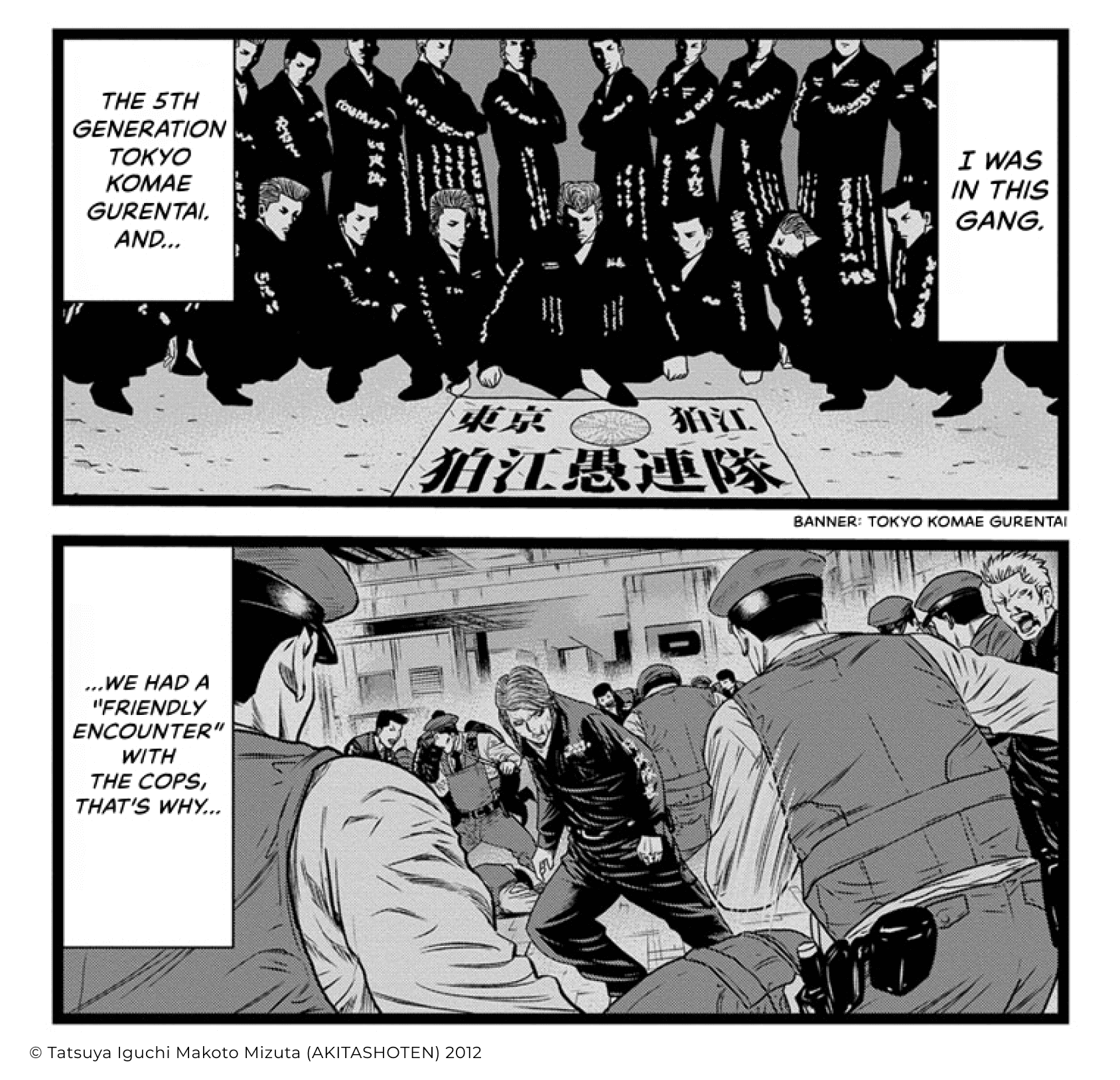
And this is the part that matters: yankii manga is less interested in organized crime than it is in relationships.
Where Western gang fiction often centers on money, territory, or power within a criminal organization, yankii manga tends to revolve around pride, hierarchy, friendship, and belonging. Characters fight for reputation, for loyalty, or simply because their place within a group feels threatened.
Beneath the bravado, many of these stories are about young people trying to find a community outside of school, family, or conventional expectations.
That double layer is what gives the genre its particular appeal. A yankii manga can feel part sports rivalry, part social drama, part street brawl and it works precisely because it's all of those at once.
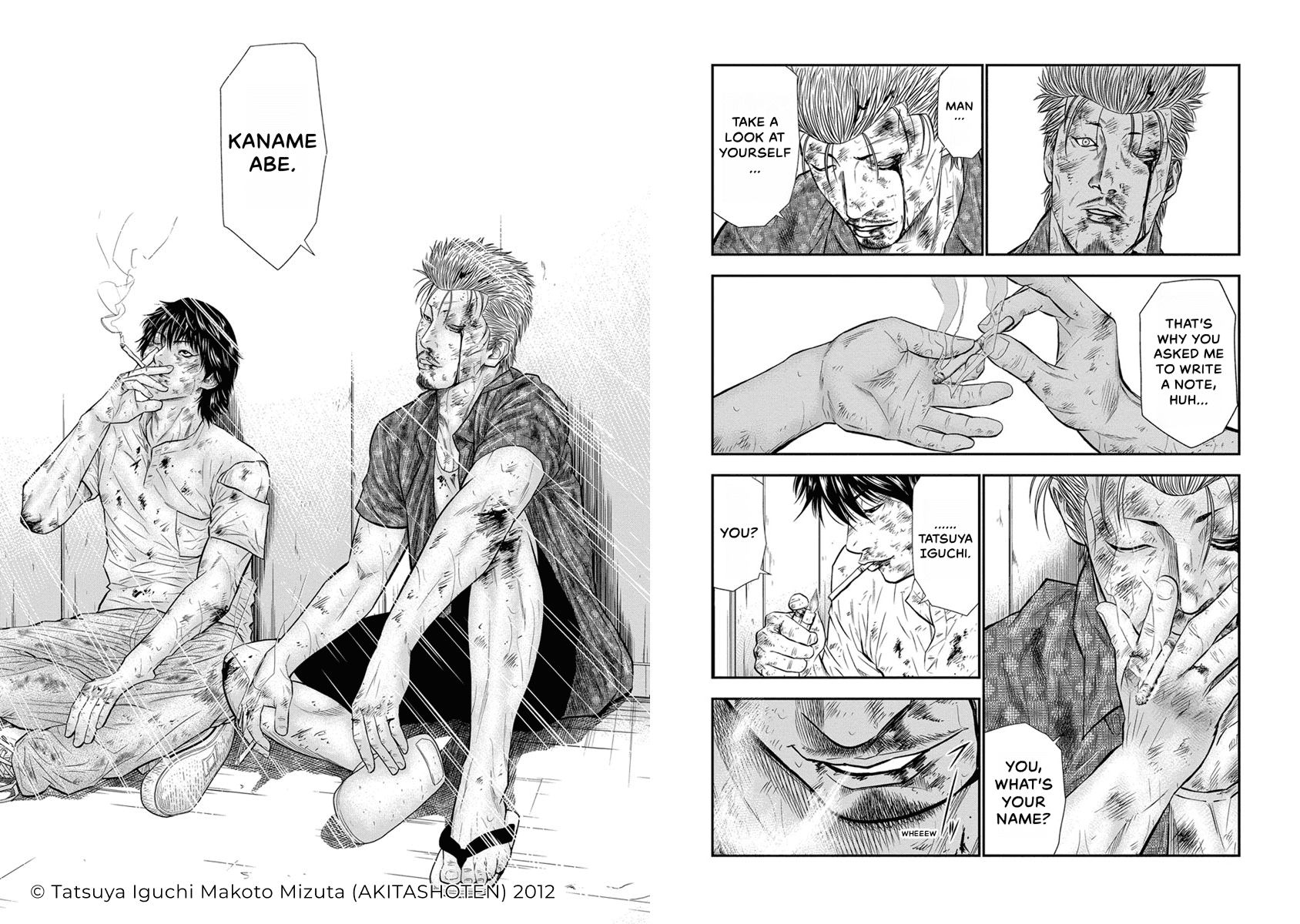
OUT follows directly in that tradition, alongside classics like Rokudenashi Blues, Shōnan Junai Gumi, and Crows. But where those series often leave room for nostalgia or rebellious charm, OUT strips most of that away.
The brotherhood remains. The violence becomes much harder to romanticize.
Dropping Out Into Violence: When Youth Goes Off the Rails
Part of what makes OUT interesting is its relationship to its author, Tatsuya Iguchi.
Iguchi is both the writer and the basis for the protagonist, drawing on his own years living the delinquent life. He also appears, in fictionalized form, in Drop, the semi-autobiographical manga by comedian Hiroshi Shinagawa.
Drop approaches delinquent youth with a noticeably warmer tone. There are fights and bad decisions, sure, but just as much room is given to the awkwardness of adolescence, friendships, quiet crushes, and the strange nostalgia of growing up reckless.
OUT takes nearly the same ingredients and arranges them into something far less comfortable.
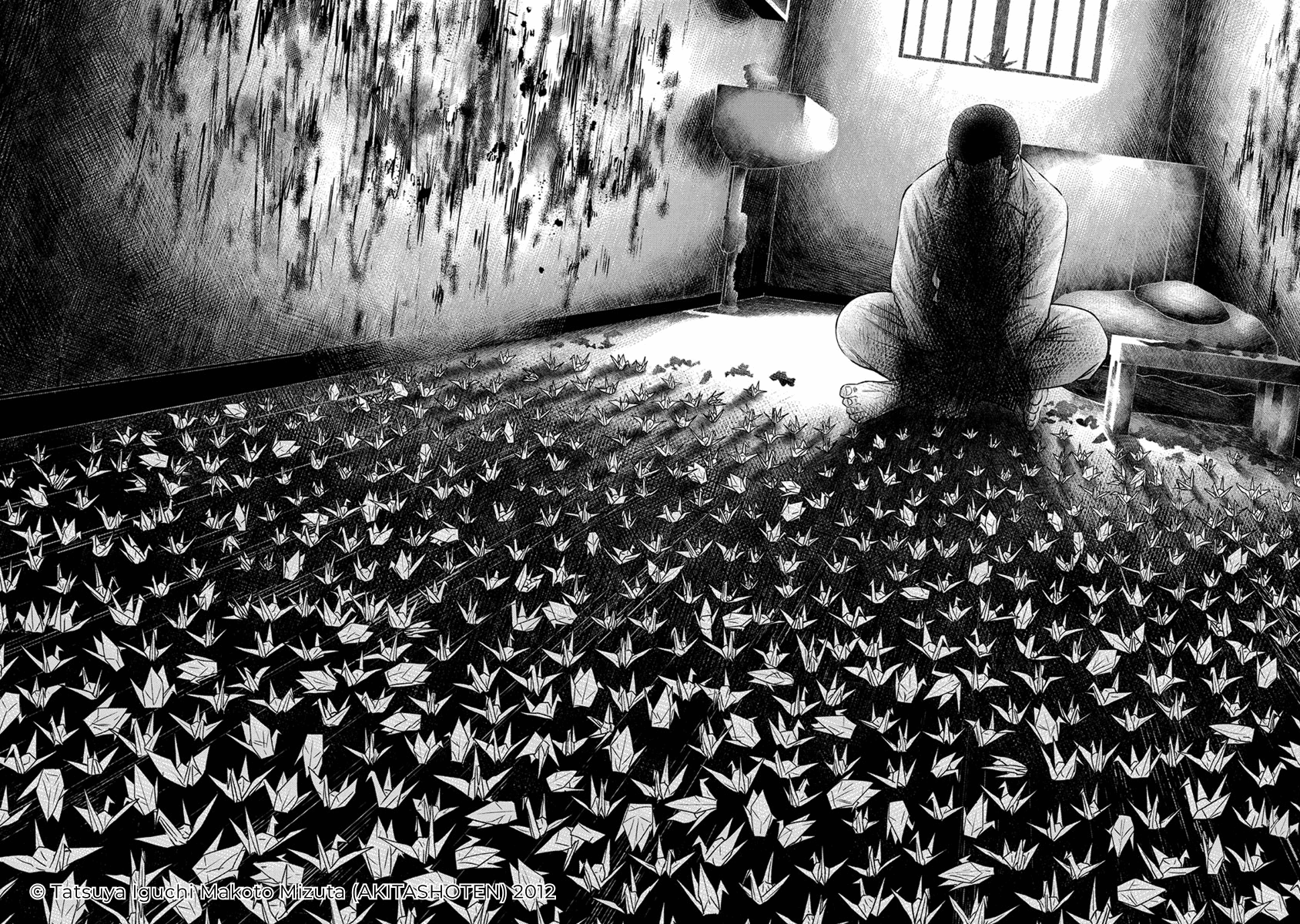
It opens with Iguchi leaving juvenile detention and trying to live a slightly more responsible life. That peace doesn't last long.
As the story develops, violence starts to seep into every relationship around him. Toughness becomes social currency. Loyalty turns possessive. Winning a fight rarely solves anything - it usually just lines up a larger problem behind it.
Now and then, the manga lets you see how young these characters really are beneath the posturing. Between the swagger and the gang feuds, their actual faces show through for a moment, and that contrast is where much of OUT's weight comes from. The characters want connection and stability, but the only system they have for pursuing either is one built on intimidation and conflict.
Violence in OUT isn't framed as something that empowers you. It's framed as something that keeps reproducing itself.
And somehow, or maybe because of that, it's hard to stop reading.
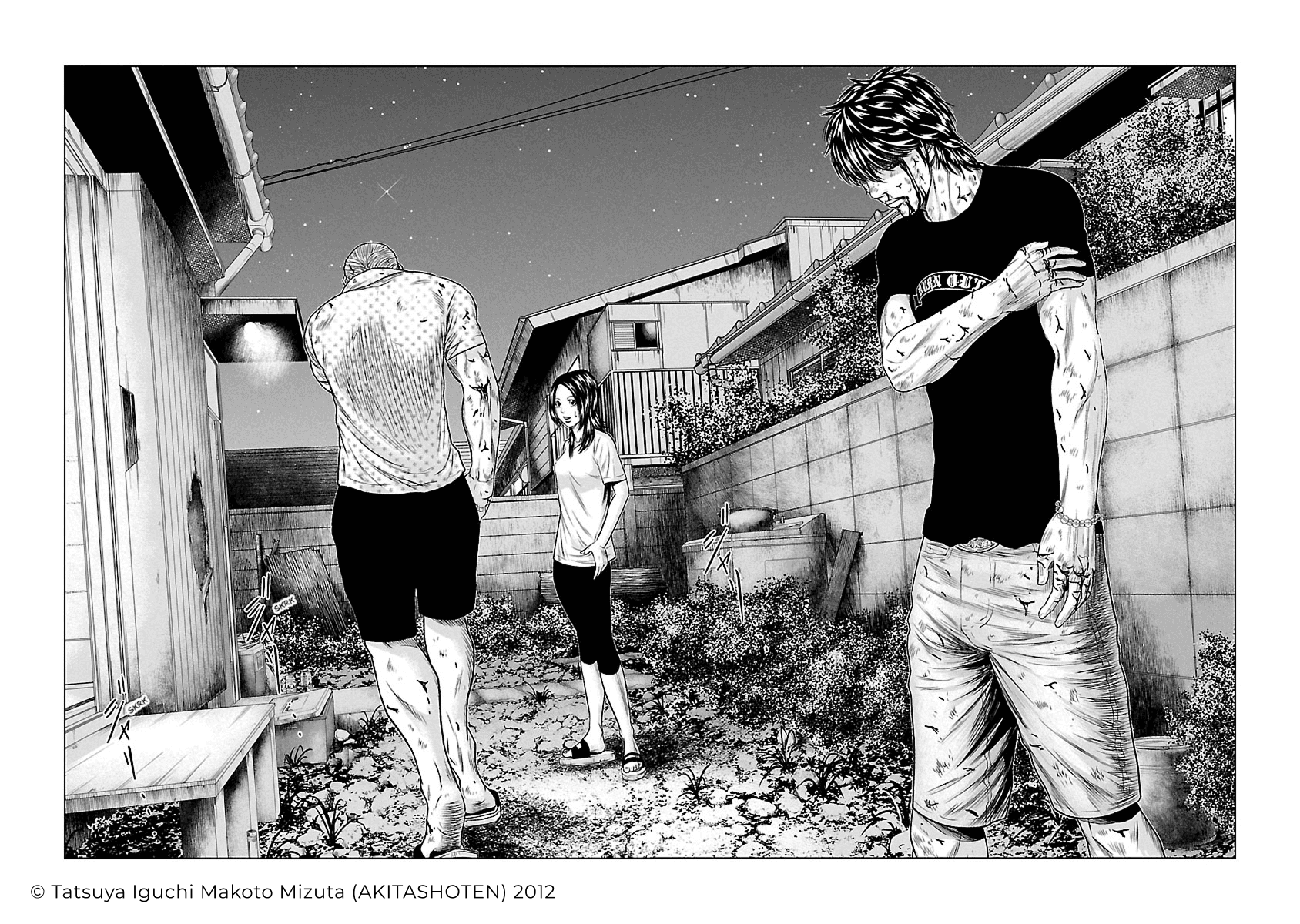
Looking for the Scars the Genre Left Behind
OUT artist Makoto Mizuta explores similar territory in another series, Bouncer -Tokyo Fist-.
Its protagonist, Joichiro Shishido, also carries instinctive violence as part of his identity. Bouncer, though, spends more of its time on a different question than OUT does: whether someone shaped by violence can eventually find another role in society.
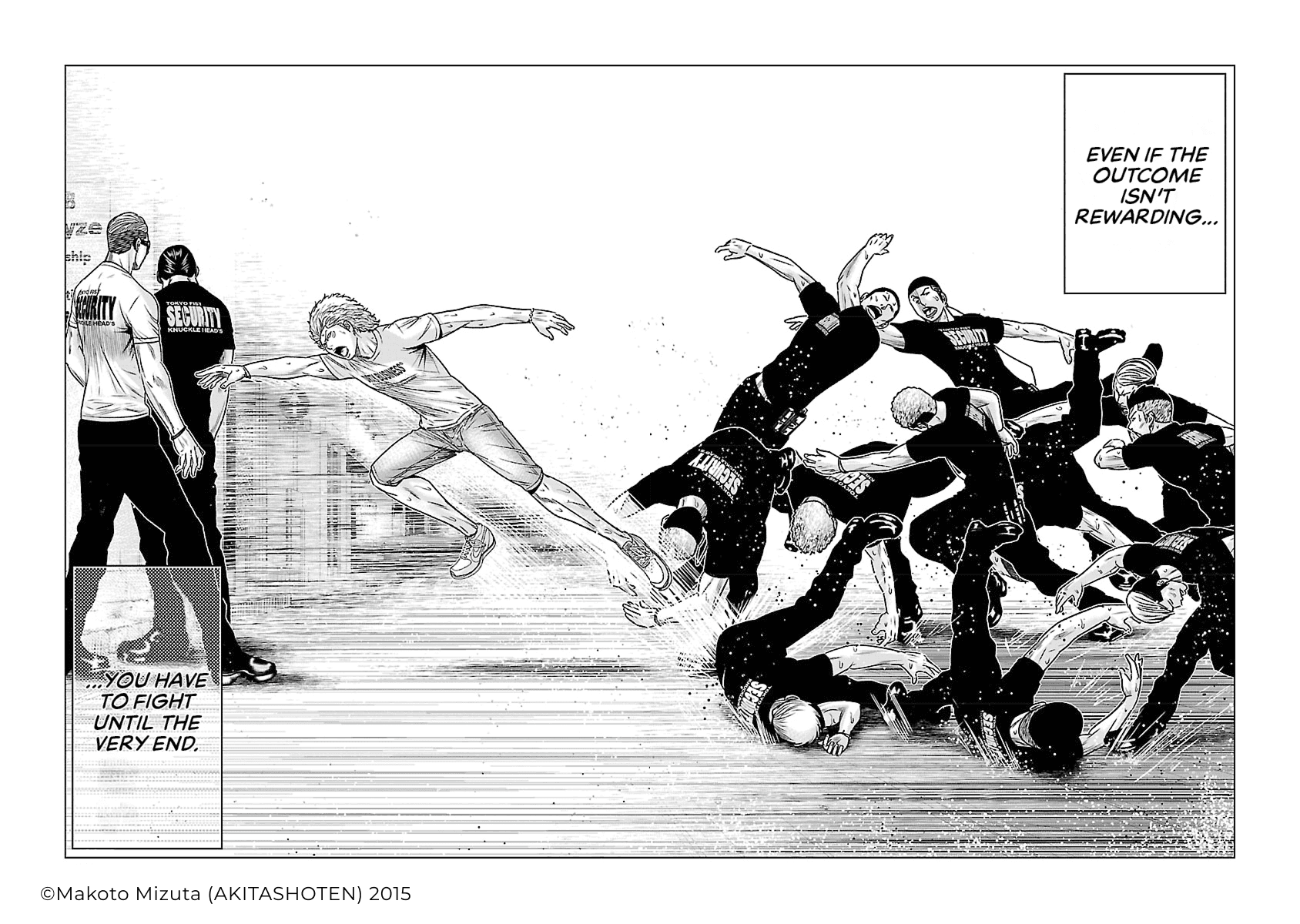
Read side by side, the two series point to something running beneath much of the yankii genre. Winning or losing in fights isn't the only factor that drives these stories.
More often, the real question is about belonging - who gets accepted, who gets pushed out, and whether people can still connect with others across the scars that violence leaves behind.