

Team Komi or Team Takagi? The Ultimate Manga Heroine Showdown
Romcom

Kendog
When a manga puts a specific character's name right in the title, it's something of a statement of intent from the creator: "This is who this story revolves around." In the world of Japanese rom-com manga in particular, the "heroine's name in the title" format has been a well-established trend for some time now.
What's interesting is that these title-bearing heroines tend to fall into one of two camps. There's the "graceful, untouchable beauty," the kind who makes your heart skip a beat from a distance. And then there's the "bold and mischievous" type, the one who closes that distance herself, whether the protagonist likes it or not, and turns his peaceful life upside down.
For this piece, we've matched up six series into three head-to-head matchups, comparing each heroine side by side. Disagreement is inevitable, and kind of the point. Putting them next to each other just makes each one's appeal that much clearer.
Round 1: Komi vs. Takagi — The Idol on a Pedestal and the Ultimate "Girl Next Door"
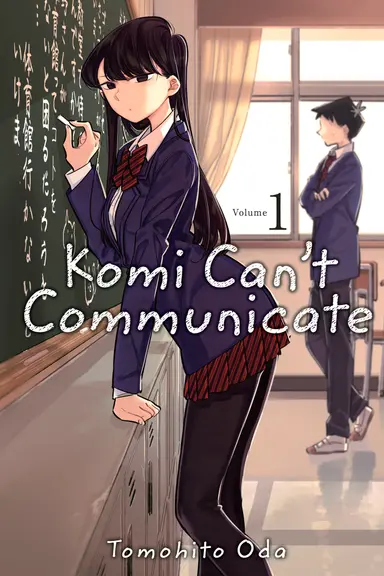
Komi Can't Communicate

Komi is the kind of beauty who turns heads across the entire school, and yet she struggles with crippling communication anxiety, freezing up the moment someone tries to talk to her. That gap between the striking aura she projects and the vulnerable interior that makes you want to root for her creates a double-layered appeal for readers.
What makes this series even more compelling is that romance isn't the only destination. The story is built around Komi's goal of making one hundred friends, and it takes its time with each new connection and relationship along the way. It's a rom-com, sure, but it also carries the warmth of a genuine coming-of-age story.
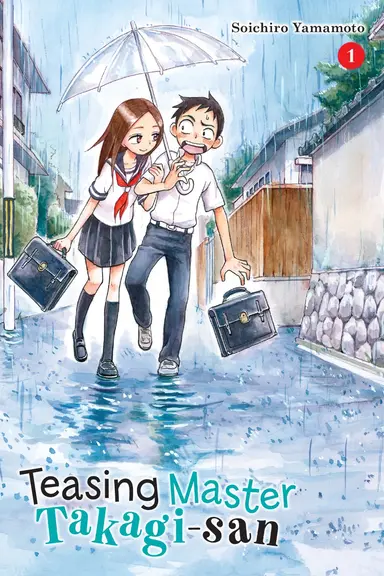
Teasing Master Takagi-san

Takagi teases the protagonist, challenges him to little contests, and wins almost every single time. And yet somehow, reading it never feels mean-spirited. That's the quiet magic of this series. The reason is simple: Takagi's teasing always stays on the right side of the line. She never pushes too hard. She never humiliates him. She wins the game, but she always leaves his dignity intact. That careful balance is what gives the entire series its cozy, comfortable feel.
It's more or less transparent from early on that these two like each other, so readers end up turning pages not to find out if they'll get together, but to see what kind of exchange they'll have today.
What makes this matchup interesting: Do you want to cheer on a heroine as she expands her world one step at a time, or do you want to watch a perfectly calibrated back-and-forth between near-childhood sweethearts forever? Both heroines inspire that "I just want to watch over them" feeling, and both leave you with the same sort of gentle, soothing afterglow.
Round 2: Alya vs. Nagatoro — The One-Hit KO of Secret Sweetness and the Relentless Teasing Barrage
Alya Sometimes Hides Her Feelings in Russian

A flawless cool beauty with brains to match. The consummate honor student in the classroom. And yet, in Russian and only in Russian, her real feelings slip out in the sweetest little murmurs. Alya is the new sensation shaking up the tsundere scene with a killer move best described as "gap appeal across a language barrier."
Here's the thing: when Alya mumbles those honest feelings she'd never dare say in Japanese, she doesn't know the protagonist actually understands Russian. He hears everything, but pretends he doesn't. That agonizing dynamic is the kind of thing that'll have you grinning uncontrollably as you read. The "seems cold but is actually sweet" gap has universal pull, but adding the language barrier raises the purity of that agonizing tension to another level entirely.

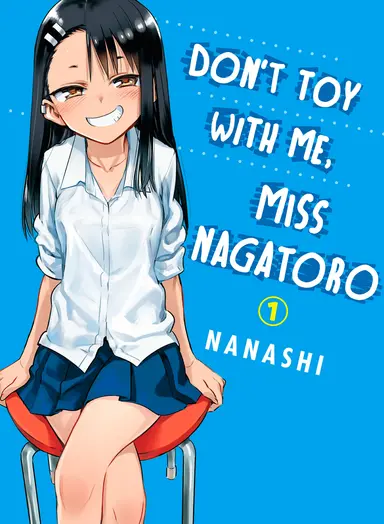
Don't Toy with Me, Miss Nagatoro

The concept of restraint does not exist in Nagatoro's playbook. She teases her timid upperclassman, backs him into corners, makes him blush, and savors every reaction. This is a heroine with all her stat points dumped into offense.
Honestly, in the early chapters, some readers might wonder if she takes it too far. But stick with it, and the landscape starts to shift. The teasing gradually softens, and you begin to see the clumsiness underneath: a girl who can't help zeroing in on the person she likes. It's precisely because the early chapters hit so hard that the relationship's growth over time carries real weight.
What makes this matchup interesting: Alya's true feelings, barely concealed behind the thinnest of veils, versus the clumsy affection waiting at the end of Nagatoro's relentless barrage. The unapproachable beauty sitting next to you in class, or the sadistic underclassman from another grade. This is the matchup most likely to split opinions right down the middle.
Round 3: Kubo vs. Anjo — Quiet Possessiveness and the Full-Court Press
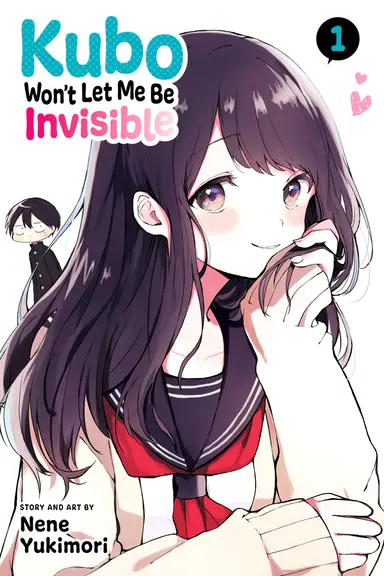
Kubo Won't Let Me Be Invisible

The protagonist, Shiraishi Taiyo, has virtually zero presence. Getting overlooked by classmates is a daily occurrence. The guy doesn't even show up in group photos. And yet Kubo, and only Kubo, finds him every single time like it's the most natural thing in the world.
What makes Kubo appealing is the gentleness of her approach. There are no dramatic confessions or major incidents, just small, everyday moments where she quietly becomes someone special to him. But within that calm atmosphere, there are flashes of something else: a possessiveness that whispers, "You're not getting away from me." It's equal parts unsettling and sweet. If you're a fan of the slow, warm-hearted rom-com style of The Angel Next Door Spoils Me Rotten, this one is a natural fit.
Anjo the Mischievous Gal

Anjo's approach is almost the exact opposite of Kubo's. The option of hiding her feelings simply does not exist for this girl. If she likes someone, she goes for it. She closes the distance. She sets the vibe. The way she throws herself at the protagonist with all the brightness and energy of peak gyaru (gal) culture is honestly refreshing in how zero-hesitation it is.
You might think she's all noise, but when it comes to the person she likes, she's remarkably straightforward. Even when the protagonist is completely passive, the story never stalls, because Anjo is the engine. With gyaru culture drawing growing interest overseas, this series also works nicely as an entry point into that whole aesthetic.
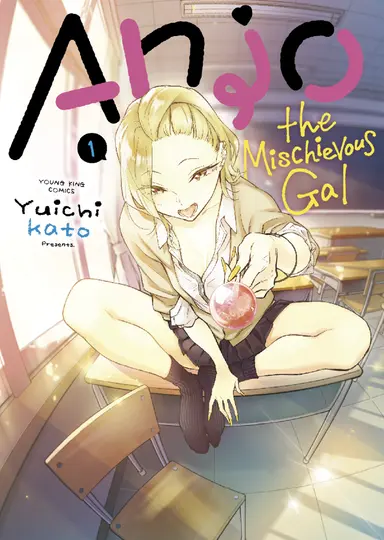
What makes this matchup interesting: Kubo, who quietly affirms your everyday existence, or Anjo, who punches a hole right through your uneventful routine. When it comes to comfort versus excitement, which one you reach for probably depends on what you're in the mood for right now.
Don't Make Me Choose. I Can't!
Lay out all three matchups side by side, and the line between "graceful" and "bold" starts looking blurrier than you'd expect. There's a streak of quiet possessiveness beneath Kubo's gentleness, and an endlessly tender emotion running under every one of Takagi's teases. These categories don't divide as neatly as they first appear.
The good news is that this isn't a dating sim. Nobody's asking you to pick a definitive winner, and there's no rule that says you have to commit to just one. Line up all six series, dive into each one, and enjoy the distinct charm that every heroine brings to the table.